
If you have inherited a house in Nassau County, the first honest answer you deserve is this: probate here usually takes somewhere between four months and a year and a half, and nobody who promises you a precise date is telling the truth. The good news is that you do not have to wait until the very end to deal with the house. In most estates, the house can be sold months before probate officially closes.
This guide walks through the real timeline, stage by stage, what speeds it up, what drags it out, and when in the process you are actually allowed to sell.
The short answer
For a typical uncontested estate with a valid will, Nassau County Surrogate’s Court usually issues letters testamentary in two to six months. Those letters are the document that gives the executor legal authority to act, including the authority to sell the house. Full settlement of the estate, meaning every debt paid and every dollar distributed, commonly runs nine to eighteen months. Contested estates, missing heirs, or estates with no will can take considerably longer.
The key point most families miss: you sell the house with the letters, not at the finish line. Once the court issues letters testamentary, the sale can move forward while the rest of the estate is still being settled.
What probate actually is in New York
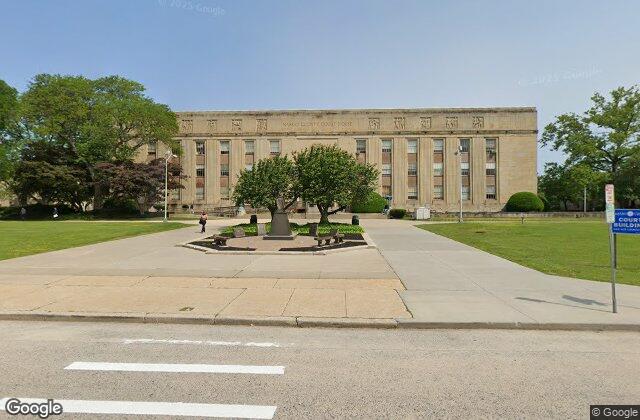
Probate is the Surrogate’s Court process of proving that a will is valid and giving someone official authority to carry it out. In Nassau County, that happens at the Nassau County Surrogate’s Court at 262 Old Country Road in Mineola. If there is no will, the process is called administration instead, and the court appoints an administrator rather than an executor. The steps look similar, but administration adds work, because the court has to establish who the legal heirs are before anyone gets authority.
Everything in the timeline below assumes the more common situation: there is a will, and someone named in it is asking the court to be confirmed as executor.
The Nassau County timeline, stage by stage
Stage 1: Gathering papers and filing the petition (two to eight weeks)
Before anything reaches a judge, the family needs the original will, a certified death certificate, and a probate petition listing every interested party: beneficiaries named in the will and the people who would inherit if there were no will. Tracking down addresses for relatives is often the first hidden delay, especially when heirs live out of state.
Stage 2: Citation and consents (two weeks to three months)
Every interested party must either sign a waiver and consent, agreeing to the will, or be formally served with a citation and given a chance to object in court. When everyone cooperates and signs, this stage is fast. When a relative is hard to find, lives abroad, or simply does not respond, months can pass while service is completed the formal way.
Stage 3: The court issues letters testamentary (often two to six months from filing)
Once the paperwork is complete and no objections are pending, the court admits the will and issues letters testamentary. This is the moment the estate becomes workable. The executor can open an estate bank account, deal with utilities and insurance on the house, and yes, sign a contract to sell it.
Stage 4: Administering the estate (six to twelve months, running in parallel)
Debts get paid, final tax returns get filed, and the seven month creditor window runs. New York gives creditors seven months from the issuance of letters to present claims, which is one reason executors rarely distribute money earlier. Most estates owe no New York estate tax at all, because the exemption is measured in millions, but the returns and accounting still take time.
Stage 5: Distribution and closing the estate
Once debts, taxes, and expenses are settled, the executor distributes what remains and the estate wraps up. If the house was sold back in stage 3 or 4, its proceeds have been sitting in the estate account and are distributed now with everything else.
What makes probate faster in practice
The fastest Nassau County probates share the same ingredients. The original will is easy to locate and was properly executed. All beneficiaries are alive, findable, and on speaking terms, so everyone signs waivers instead of being served. The executor hires help early and responds to the court quickly. None of this is luck. A family that spends one focused week collecting signatures can save three months of formal service.
What makes it slower
A will contest is the big one, and it can add a year or more. Beyond that, the common culprits are missing heirs, a lost original will, real property in more than one state, an executor who lives far away and moves slowly, and estates where the house itself is the problem: code violations, an occupant who will not leave, or a mortgage in arrears that keeps accruing while the court process grinds on. If the house is headed toward foreclosure while probate is pending, the clock matters even more, and it is worth reading about how to sell a house in foreclosure before the auction date forces the issue.
Can you sell the house before probate ends?
Usually, yes. In most New York estates, letters testamentary give the executor full authority to sell real property without going back to the judge for permission, unless the will itself restricts the sale. That means the realistic waiting period for selling is the two to six months it takes to get letters, not the year or more it takes to close the whole estate.
A cash buyer fits this situation unusually well, for a practical reason: an estate sale often involves a house that has deferred maintenance, decades of belongings, and heirs who live elsewhere and cannot manage a months long listing process. A direct sale lets the executor sell a house in probate as is, on a closing date that lines up with the estate timeline, without repairs, showings, or a buyer whose financing might fall through. The same is true when you need to sell an inherited home that never went through probate because it was owned jointly.
What this looks like across Nassau County
We work with estates and executors across the county, and the pattern repeats everywhere from the south shore to the North Hempstead villages. If you are settling an estate and want a number to compare against a listing, we buy houses in Hempstead NY, we buy houses in Baldwin NY, and we buy houses in Freeport NY, along with the rest of Nassau and the surrounding region. An offer costs nothing and gives the estate a real backstop while the court process runs.
One note of caution: this article describes the process generally and is not legal advice. Every estate has its own facts, and a probate attorney is worth their fee, especially if anything above sounds like your situation on the slower path.
Sellers in similar spots also ask us how to sell a house during divorce or sell a rental property as a tired landlord.
We buy across Long Island, Queens, Brooklyn, Westchester and New Jersey, so you can sell your house fast in Waterbury CT, sell a house fast in Meriden CT, or read about how we buy houses in West Haven CT.