
Selling a House with Tax Liens in NY Metro?
We can help.
Years of unpaid property taxes or water bills do not have to block your sale. We handle the liens at closing.
- No repairs, no clean-up, no showings.
- Typical close in 10 days.
- We have handled this exact situation many times.
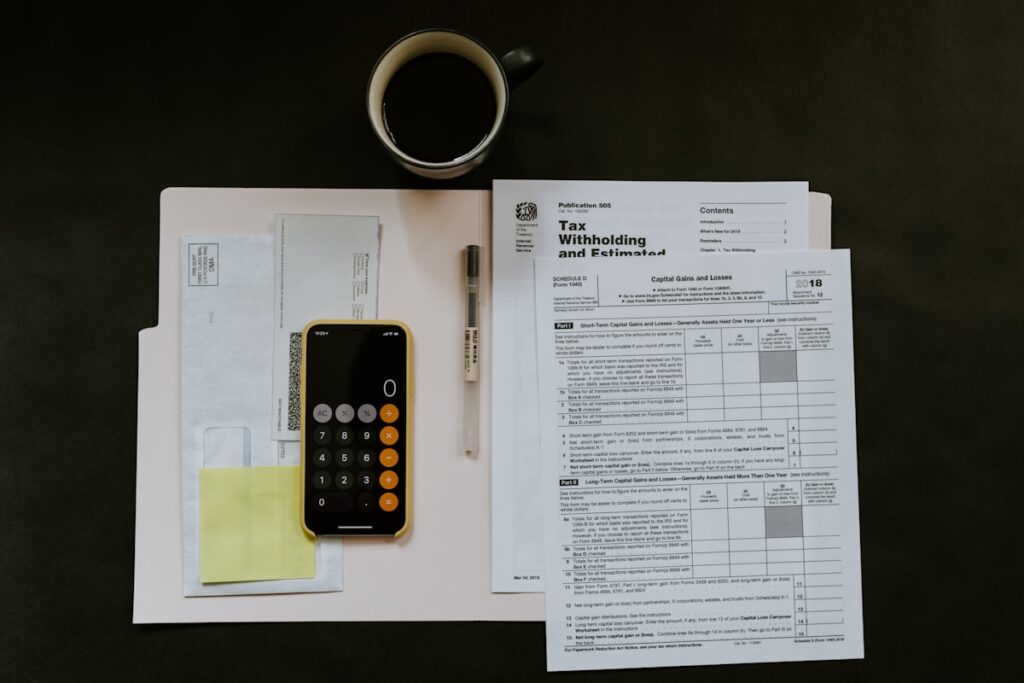
Property tax debt compounds quietly at first. Then the notices start arriving more often. Then the city or municipality files a lien, and suddenly what felt like a manageable debt becomes a cloud on the title that can block any conventional sale. If you are in that position right now, you are not alone, and there is a path out that does not require you to come up with years of back taxes in cash before you can move on. For background, see this NY State Department of Taxation and Finance lien information.
How tax liens escalate in New York and New Jersey
New York City property owners deal primarily with the Department of Finance, which can bundle unpaid taxes into a lien sale and transfer your debt to a third-party servicer. Once that happens, interest and fees accelerate significantly. Nassau and Suffolk County run their own tax lien systems, and municipalities in Westchester and New Jersey each have their own timelines, but the pattern is the same everywhere: the longer the balance sits, the more the redemption cost grows. Water and sewer arrears in NYC are treated as a lien against the property just like taxes, which surprises a lot of owners who assumed those bills were separate from the title.
In-rem foreclosure is the mechanism most owners fear. It is a proceeding where the city itself moves to take title to the property to satisfy unpaid taxes. The timeline to reach that point varies by municipality, but once an in-rem action is filed, your options narrow fast. Redeeming the property requires paying the full outstanding balance, interest, and legal costs, not just the original tax bill. That number is usually much larger than people expect.
Why a traditional listing does not work when liens are involved
Listing with an agent assumes you will attract a buyer who qualifies for a mortgage. Lenders will not approve a mortgage on a property with outstanding tax liens unless those liens are paid or formally subordinated before closing. That means you need to clear the debt first, which is the exact problem you are trying to solve. Some sellers try to negotiate a payoff agreement with the city before listing, which can take months and still leaves the property sitting on the market while the meter runs. The math rarely works in the seller’s favor.
There is also the inspection and appraisal process. Properties that have been in financial distress for years often have deferred maintenance. A retail buyer is going to ask for repairs or price reductions on top of the lien payoff. By the time you factor in agent commissions, carrying costs, and the lien balance, what looked like equity can disappear entirely.
What actually happens at closing when we buy your property
When EZ Home Buyers makes an offer, we account for the lien balance in our numbers upfront. We order a full title search before we finalize the offer so there are no surprises about what is owed. At closing, the title company pays the liens directly from the sale proceeds. You do not write a check. You do not have to negotiate separately with the DOF or the lien servicer. The debt gets resolved as part of the transaction, and whatever is left after the payoff goes to you.
This is how lien priority works in practice: property tax liens and municipal water liens sit at the top of the priority stack, ahead of mortgages. The title company satisfies them first at closing, which is actually what makes a clean transfer of title possible. We have done this hundreds of times since 2000 across NYC, Long Island, Westchester, and New Jersey. The mechanics are familiar to us even when the numbers are complicated.
One seller in Nassau County came to us with four years of unpaid school and general taxes plus a water bill that had been liened. He had received a notice that the county was moving toward a tax sale. We had a number to him within 24 hours, ordered title, and closed in 10 days. The liens were paid at the closing table. He walked away with the remaining equity and did not have to deal with the county again.
The redemption period question
Many owners ask whether they should try to redeem the lien themselves before selling. That is worth considering if you have access to funds, the balance is manageable, and you want to maximize sale price by listing on the open market. But if the balance is large, if an in-rem action is already filed, or if you simply need to be done with the property quickly, redeeming first and then listing adds months and significant out-of-pocket cost. Selling as-is to a cash buyer while the lien is still in place is usually the faster and financially cleaner option for owners in serious arrears.
We buy single-family homes, two-to-four family homes, condos, vacant land, and mobile homes. We do not buy co-ops. If you are not sure whether your property qualifies or how the lien situation affects what we can offer, call Nick York at (516) 964-7222 or email info@ezhomebuyers.com. The conversation is free, and there is no obligation to accept an offer.
Neighborhoods we serve across the NY metro
This situation can come up anywhere we buy houses. The same process, terms, and timeline apply across our entire service area.
Queens: Bayside, Forest Hills, Douglaston, and Little Neck. Brooklyn: Park Slope. Long Island: Levittown, Great Neck, Great Neck Estates, Kings Point, Lake Success, and Manhasset. Westchester: Yonkers.
Related situations we handle
How Property Tax Debt Actually Works Here
Nassau County runs one of the most aggressive tax enforcement systems in the country, and owners rarely understand it until they are inside it. Fall behind, and the county does not simply wait: it sells a lien on your unpaid taxes to private investors at its annual lien sale, and from that moment your debt belongs to someone whose business model is your interest. Lien holders earn double-digit rates on Long Island tax debt, penalties stack on top, and after the redemption period runs, the lien holder can move to take the property itself through foreclosure. A tax bill that started around ten thousand dollars can, left alone for a few years, become a debt that threatens six figures of equity. Suffolk runs its own version through the county comptroller, and the city runs lien sales of its own. The mechanics differ; the direction never does.
The redemption math is the part every owner should have on paper. Until the process completes, you retain the right to redeem, paying the base tax, the accrued interest, and the penalties, and the clock resets. That right is your leverage and your deadline in one. Redeeming requires a lump sum that grows monthly, which is exactly why tax problems compound: the household that could not pay ten thousand in January cannot pay thirteen five a year later, and the lien holder is content either way, because the interest accrues or the house arrives. Waiting is the one strategy with no winning version.
What makes tax debt uniquely dangerous compared with mortgage trouble is the value mismatch. A tax lien forecloses just as thoroughly over forty thousand dollars as a bank does over four hundred thousand, and owners with paid-off houses, very often longtime or elderly owners, have lost six-figure equity positions over five-figure tax debts. If you own your house outright and the county is the only creditor chasing you, you are simultaneously in the strongest position to solve this and the most tragic position if you do not.
How a Sale Clears the Whole Board
Every lien, tax and otherwise, gets paid from the sale proceeds at closing, and this is routine title company work, not a special rescue. The title search surfaces exactly what is owed to the county, the lien purchasers, and anyone else with a claim; payoff letters fix the numbers to the day; and at the table the debts clear in order of priority before the balance wires to you. You never negotiate with a lien holder, never assemble a redemption lump sum, never learn the difference between a tax lien and a tax deed. You sell the house, the machinery pays the machinery, and what emerges on your side is clean money and a closed file.
Timing matters more with tax debt than with almost any other situation we buy from, because the redemption calendar is unforgiving and the interest never sleeps. When you call, have the latest notices handy if you can, county, lien servicer, anyone who writes to you in capital letters, and we will map the actual deadline against a closing date the same week. We have closed purchases specifically to beat redemption expirations, and the difference between acting a month early and a month late in those files was the seller’s entire remaining equity.
Two adjacent problems deserve mention because they travel together. IRS and state tax liens attach to houses too, and they also clear through closing, with the title company handling the government payoff paperwork that terrifies everyone. And unpaid water, sewer, and village charges ride along in most municipalities, quietly compounding beside the big lien. Bring us the whole stack of scary mail. The written offer will show every payoff as a line, the equity that survives them, and the date certain on which all of it stops being your problem.
Deadlines, Lifelines, and What to Have Ready When You Call
Before deciding anything, know the lifelines you may already be entitled to. New York’s STAR program, plus Nassau’s senior, veteran, and disability exemptions, cut future bills meaningfully for qualifying owners, and countless delinquent households were eligible for relief they never filed for; applying now shrinks next year even if it cannot erase the past. Payment agreements exist too, Nassau offers installment arrangements on delinquencies, the city runs its PT AID plans, and a sustainable plan can be the right answer when income genuinely covers it. Be honest about that last clause. A payment plan that fails midway usually forfeits its protections and lands you back on the lien track with less time and more interest. Relief programs are real; they are also not a strategy for a debt that income cannot service.
Learn the calendar’s rhythm, because the mail tells you where you are. The tax bill, then the delinquency notice, then the lien-sale advertising cycle, then, after the sale, letters from a servicer you have never heard of who now owns your interest, and eventually the notices that a redemption window is finite. Each stage is worse than the last and none of them is the end until the very end. Owners routinely assume a stage earlier or later than the truth; the documents in the pile know exactly. Which is the whole checklist for calling us: the scariest three envelopes, opened or not, the rough mortgage picture if any, and the address. We will read the stack, map the true deadline, and put the whole picture, payoffs, timeline, and your surviving equity, on one page the same week.
And if shame is the reason the envelopes stayed sealed, leave it at the door. The people we meet in tax trouble are widows whose exemptions died with a spouse’s signature, heirs who never knew the taxes existed, owners whose businesses stumbled in a bad year, ordinary households in an extraordinary county for carrying costs. The lien system is merciless but the exit is genuinely simple, and it is the same exit every time: the sale pays the county and the lien holder to the penny at closing, the interest meter stops forever, and the equity that survived, which is usually far more than the frightened months suggested, wires to you.
Two arcs we see over and over
The widow’s file: her husband handled the taxes for forty years, the exemptions quietly died with his signature, and the bills that followed were bigger than she understood until the lien notices arrived. Her equity was enormous, the debt was five figures, and the fix took one closing: liens paid to the penny at the table, the balance wired to fund the move near her daughter, the fear retired the same afternoon. The heirs’ file: three siblings inherited a paid-off house and never thought about taxes until, two years into their deliberations, a redemption deadline letter arrived at the address nobody checked. We mapped the deadline, closed ahead of it, and the estate distributed what remained instead of donating it to a lien fund. If either arc rhymes with yours, the first step is even simpler than a call: find the latest notice, look at the date, and count the months. Then call, and we will do the rest of the counting together.
When the lien is not traveling alone
Tax debt rarely arrives solo. The same house often carries the lien plus a stalled estate, or the lien plus vacancy, or the lien plus the code file that vacancy earned, and owners despair at the pile as if each problem needed its own year. They do not. A single closing clears all of it in one sequence: the title company pays the county and the lien holder, the estate attorney blesses the authority, the violations transfer to us with the deed, and the vacant building becomes our renovation instead of your liability. Complexity is our favorite discount to remove, because it costs us process rather than money, and sellers with tangled files are routinely astonished that the tangle changed the timeline by days, not months.
Owners in tax trouble often try borrowing before selling, and the market has bad news the bank delivers slowly: refinances and home equity lines underwrite against clean title and current taxes, so the delinquency that created the need disqualifies the application, and reverse mortgages for seniors require tax liens satisfied at or before funding. The equity is real, but the lien stands between you and every borrowing path to it, which is why the sale so often turns out to be not the last resort but the only executable one. Better to learn that from this paragraph than from three loan officers and two wasted months.
One human suggestion for the first call: bring somebody. A daughter, a brother, a friend whose judgment you trust, on the line or at the kitchen table. Decisions this size deserve a witness, pressure evaporates when a second set of ears is present, and buyers who discourage company are telling you something important about themselves. We encourage it, and we will happily walk the numbers twice.
We buy houses with tax liens across Nassau County, Suffolk, Queens, and Brooklyn, at every stage from first delinquency notice to redemption deadline, and the consultation costs nothing while doing nothing keeps costing interest.
If you are facing one of these, we can help with that too. Same cash offer, same as-is purchase, same fast closing.
Sellers in similar spots also ask us how to sell a house with bad tenants or sell a house with code violations.
We buy across Long Island, Queens, Brooklyn, Westchester and New Jersey, so you can sell your house fast in Hoboken NJ, sell a house fast in North Bergen NJ, or read about how we buy houses in West New York NJ.
How it works
From first call to cash in hand.
- Day 11
Tell us about the house.
Address, condition, situation. 60 seconds on the form or one phone call. We do not need pictures, repairs, or a clean house.
- Day 2 to 32
We bring you a fair cash offer.
A quick walk-through (in person or virtual). We hand you a written offer with the math behind it. No pressure, take a few days to decide.
- Day 7 to 103
We close. You walk out with the check.
You pick the closing date. Title company handles the paperwork. Cash wires same day. Leave anything you do not want behind.
Compare your options · the real math
Don't compare list prices.
Compare what you actually take home.
Worked example on a $475,000 NY metro home that needs $25K–$50K of work. Same property, two paths. The headline price favors the realtor. The net check almost never does.
Sell to us · Cash, as-is
- Our cash offer$420,000
- Repairs you pay for$0
- Agent commissions$0
- Closing costs (we cover)$0
- Holding costs$0
List with a realtor
- Likely sale price$465,000
- Repairs to qualify for buyer financing−$50,000
- Agent commission (6%)−$27,900
- Closing costs you pay (1.5%)−$6,975
- 4 mo. holding (tax, util, ins.)−$8,000
Same property, two timelines
0 · 2 · 4 · 6 · 8 · 10 · 12 months
How do you decide what to offer?
We start with what your house could sell for after repairs (the after repair value). Then we subtract the cost of repairs, holding costs (taxes, insurance, utilities while we own it), closing costs on both sides of the deal, and a reasonable margin for our work. The remainder is your offer. We walk you through the math line by line so you can see exactly how we got there.
Are there any fees or commissions?
None. No agent commissions, no listing fees, no closing costs from your side. The number on the written offer is the number that hits your account at closing.
How fast can we actually close?
Typically 7 to 14 days from when we sign the contract. The bottleneck is the title company, not us. If you need longer to move out, you pick the date.
What if my house has tenants who won’t leave?
Tenants in place is fine. We buy occupied properties regularly and handle the tenant relationship from there.
Do you buy houses in foreclosure?
Yes, regularly. We can close before an auction date if there is enough time. The earlier you reach out, the more options we have.
What if I owe more on the mortgage than the offer?
This is an underwater situation. We can sometimes work with your lender on a short sale. Tell us up front so we can plan the right path.
Can I cancel after I sign the contract?
Yes. We offer a 3-day cancellation guarantee, no questions asked.
What types of properties do you buy?
Single family, 2 to 4 family, condos, vacant land, and mobile homes. We do not buy co-ops.
How is selling to you different from Opendoor or HomeVestors?
Opendoor uses an algorithm and won’t touch homes that need real work. HomeVestors is a national franchise, you’ll talk to whoever owns the local franchise this month. We are family owned and local, and our team handles every deal directly from first call to closing.
Will I have to clean out the house first?
No. Walk away with what you want, leave the rest. We handle clean-out, repairs, and disposal at our cost.
Do I need to make any repairs before selling?
No. We buy houses completely as-is, from light cosmetic wear to major structural problems. You never fix, paint, or update anything.
Which areas do you buy in?
We buy houses in Queens and all five NYC boroughs, on Long Island in Nassau and Suffolk, across Westchester, and in most of northern and central New Jersey. If you are not sure whether we cover your town, submit your address anyway. We probably do.
Ready when you are.
No pressure either way.
Submit your address. A team member will call within 24 hours, walk the property in person or by video, and put a written offer in your hand.