
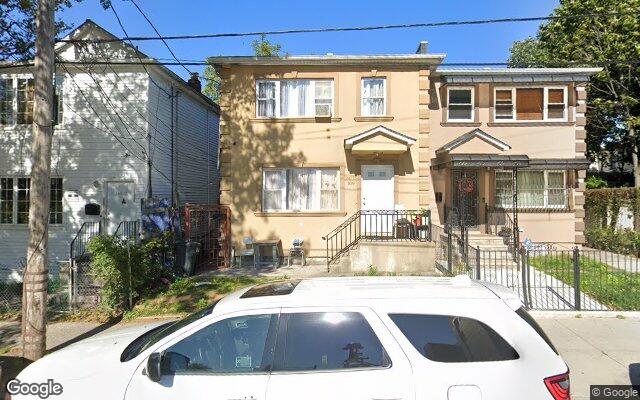
Open violations are the reason a lot of Queens and Brooklyn houses never make it to market. The owner knows about the unpermitted basement apartment, the DOB complaint from a neighbor, the ECB penalty that has been compounding for years, and assumes nobody will buy the house until every one of them is cleared. That assumption costs people years and a lot of money. You can sell a New York City house with open violations. What changes is who can buy it, how the violations get handled at closing, and what you can expect to net. Here is how it actually works.
The three kinds of violations, and why the difference matters
- DOB violations come from the Department of Buildings: work without a permit, illegal conversions, structural or facade issues. They attach to the property, not to you, so they follow the house to the next owner.
- ECB or OATH violations are the penalty side of a DOB violation. They carry fines, and once a fine goes unpaid and becomes a judgment, it is a lien against the house that a title company will insist gets paid at closing.
- HPD violations come from Housing Preservation and Development on buildings with tenants: heat, hot water, lead paint, pests. These are the ones that generate emergency repair charges the city bills back to you, and those charges become liens too.
The short version: violations themselves do not stop a sale. Unpaid penalties and city charges that have become liens simply get paid from your proceeds at closing, like a mortgage would. The violation record stays with the house for the buyer to resolve.
Why a financed buyer usually cannot close on your house
The real barrier is not the law, it is the lender. A bank appraiser who sees an illegal basement apartment, an open permit, or a certificate of occupancy that does not match the actual layout will flag it, and most lenders will not fund until it is fixed. That is why houses with violations sit on the market, get financed offers that fall apart at the appraisal, and eventually sell for less than an as is cash price would have brought in the first place. A cash buyer has no appraiser and no underwriter. They price the violations into the offer and take on the resolution themselves.
Should you clear the violations before selling?
Sometimes. Paying off a small ECB judgment is usually worth it because it is just money and it removes a title issue. Legalizing an illegal conversion is a different animal: architect, filings, inspections, possibly demolition of what is there, often a year or more, and no guarantee the space can be legalized at all. Unless you have the time and cash and the numbers clearly work, most owners come out ahead selling as is and letting a buyer who does this regularly absorb the process. We showed how to compare the two paths honestly in our post on cash buyer versus realtor math. Add the cost and time of a legalization to the realtor column and the picture usually gets clear fast.
What you must disclose
New York sellers of one to four family houses have to complete a Property Condition Disclosure Statement, and known violations belong on it. Beyond the form, hiding a violation is pointless because the buyer’s title search and a simple DOB lookup will surface everything anyway. The practical move is the opposite: pull your own DOB and HPD records before you talk to anyone, so you know exactly what is open, what is paid, and what the redemption numbers are. Sellers who show up with that list get better offers because the buyer is not pricing in uncertainty.
Quick answers
Can I sell if there is a stop work order on the house? Yes. It transfers with the property. Investors buy houses under stop work orders routinely and lift them after closing.
The violation was there when I bought the house. Am I still responsible? Yes. Violations stay with the property regardless of when they were issued. That is exactly why they need to be priced into the sale rather than ignored.
Will the city fine me for selling with open violations? No. Selling is not itself a violation. The penalties that already exist are what they are, and they get settled at closing or absorbed by the buyer depending on the deal.
Does an inherited house with violations work the same way? Same rules, with the added wrinkle that the estate is on the hook while the house sits. Our post on what an executor can and cannot do covers the authority side of that sale.
Own a house with open violations in Queens, Brooklyn, or Long Island?
We buy houses with DOB, ECB, and HPD violations, illegal conversions, and open permits across Queens and the rest of the NY metro, as is, with every lien and penalty accounted for in a written offer that shows the math line by line. No obligation and no appraisal. Start with our how it works page or reach out, and a member of our team will pull the violation records with you and walk you through the numbers.
Sellers in similar spots also ask us how to sell a house in probate or sell a hoarder house.
We buy across Long Island, Queens, Brooklyn, Westchester and New Jersey, so you can sell your house fast in Fairfield CT, sell a house fast in New Haven CT, or read about how we buy houses in Waterbury CT.