
East Islip, Long Island, NY
Sell your house fast in East Islip, Long Island.
We buy East Islip houses as is for cash. Wetlands setbacks, flood zone property, failing cesspools, dated systems, any condition.
$745,000
Typical East Islip home value
31 days
Avg market days
+9.3%
YoY change
Typical value from the Zillow Home Value Index for single family homes, September 2026. Days on market from Realtor.com. These are market figures, not an EZ Home Buyers offer.
About the area
Why East Islip sellers call us.
East Islip was estate country before it was a suburb. The Gilded Age families who summered on the south shore built here, and Brookwood Hall, now the hamlet’s town offices and the Islip Art Museum, is what is left of one of them. When the estates were broken up the land came onto the market in irregular pieces, which is why East Islip has lot lines and easements that do not behave like the grid subdivisions west of it. Most of the housing went up between the 1950s and the early 1970s, colonials and splits on quarter and third acre lots, with older homes clustered near Main Street and larger parcels on the former estate land. The east edge of the hamlet runs into the Connetquot River and Heckscher State Park, and that boundary carries consequences.
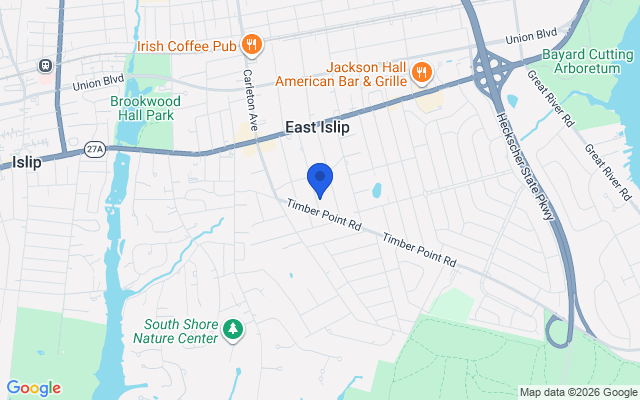
The typical single family home value in East Islip is around $745,000, up roughly 9.3% over the past year, with houses averaging about 31 days on the market.
The Connetquot River, wetlands and DEC jurisdiction
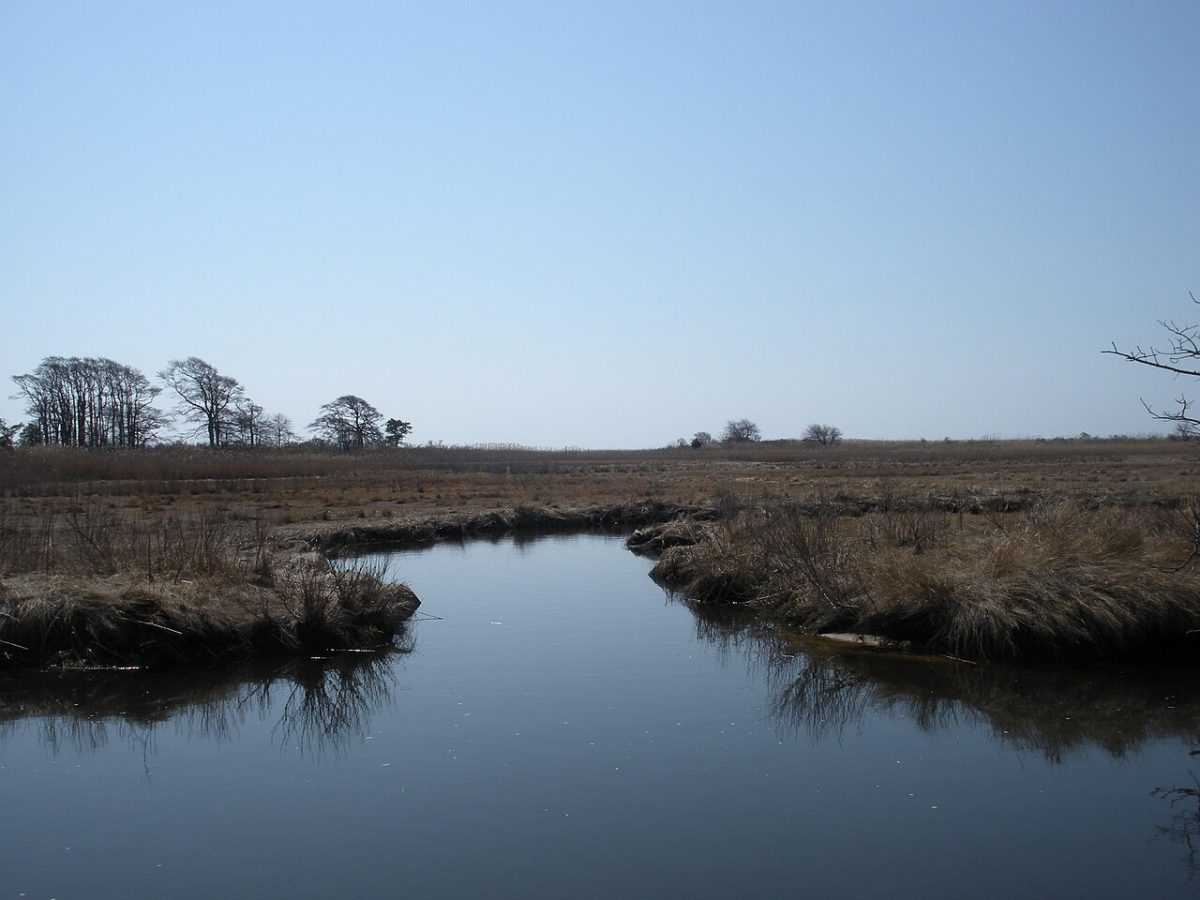
Properties along the eastern side of the hamlet sit near tidal wetlands, and tidal wetlands in New York are regulated by the State Department of Environmental Conservation, not just by the town. There is an adjacent area setback, and work inside it needs a DEC permit. That catches people off guard, because the regulated boundary is not always where the water visibly is.
The practical problem for a seller is historical. Decks, patios, sheds, additions and bulkheads built within the adjacent area over the past fifty years frequently have no DEC permit, because the owner did not know one was needed. When a buyer’s attorney finds the structure inside the regulated area with no permit behind it, the deal stops while somebody figures out whether it can be permitted after the fact. We buy with the structures as they stand and that question becomes ours.
Flood zone property near the marina and the bay
South of Montauk Highway the ground drops toward the East Islip Marina and the Great South Bay, and a meaningful share of that housing is in a FEMA flood zone. A financed buyer needs flood insurance, and the lender needs an elevation certificate to price it. When the certificate shows the lowest floor below base flood elevation, the premium can be large enough to break the buyer’s approved payment. That is a deal killer that has nothing to do with the condition of your house.
We do not carry a mortgage on what we buy, so we do not need the certificate or the insurance quote. Flood zone property in East Islip is ordinary for us.
A strong school district cuts both ways
East Islip schools draw buyers, which is good for price and bad for anyone selling a house that needs work. In a district where financed buyers compete, those buyers also arrive with inspectors and with leverage. A home inspection that lists a thirty year old boiler, a 100 amp service, original single pane windows and a roof at the end of its life turns into a credit demand, and if the seller will not fund it the buyer moves to the next house, because there is a next house.
Sellers who do not want to spend forty thousand dollars preparing a house they are leaving end up relisting at a lower number anyway, two months later, with the price history now working against them. Selling for cash as is skips that cycle. The condition is priced once, in writing, and the number does not move after an inspection.
Cesspools and the Suffolk County rules
East Islip is largely unsewered. Suffolk County has been tightening septic regulation for years because of nitrogen reaching the groundwater and the bay, and the county Department of Health Services now requires advanced treatment systems in some circumstances rather than a simple cesspool replacement. The cost difference is substantial.
For a seller the sequence is familiar. The system works fine for decades, then fails under the load of a house being shown and inspected, and the financed buyer’s lender refuses to fund until it is replaced. We buy on cesspool and septic, including systems that have already failed and systems nobody can locate, and we show the replacement as its own line in the offer.
Oil tanks still sitting in the ground
Houses built on Long Island before the mid 1970s were heated with oil, and the tank was buried in the yard. When owners converted to natural gas, which most of East Islip eventually did, the tank was frequently abandoned where it lay. Sometimes it was pumped and filled with sand by somebody who knew what they were doing. Often it was simply disconnected and forgotten, and nobody now living can say which.
That becomes a sale problem in a specific way. A buyer’s inspector spots a fill pipe or a vent line against the foundation, or a tank sweep turns up metal. The buyer asks for a soil test. If the test shows contamination, the conversation moves from a repair to an environmental remediation, with a cost nobody can bound in advance and a liability that follows the land rather than the person. Lenders will not fund into that uncertainty, and buyers who can walk, walk.
We buy with the tank in the ground, tested or untested, closed properly or not. We price what we can see, show you that line, and the tank becomes our responsibility at closing rather than an open question that costs you a buyer every sixty days.
What we buy in East Islip
Colonials and splits in the postwar neighborhoods. Older houses near Main Street with the systems they were built with. Larger parcels on the former estate land, including the ones with easements and surveys that do not match the deed. Property in the FEMA flood zone near the marina. Houses with decks, sheds or bulkheads inside the DEC adjacent area and no permit behind them. Houses on cesspool and septic including failed systems. Buried oil tanks still in the ground. Estates where the heirs are out of state. Houses with tenants in place, paying or not.
What we do not buy is condominium or co-op units, and we will tell you that in the first minute rather than let you spend a week on it.
How to reach us
Call (516) 964-7222 or send the address through the form on this page. You get a written cash offer within 24 hours with the reasoning shown line by line, it stays open for seven days, and you choose the closing date. More on how we buy houses across Long Island and on our how it works page. If you inherited the property, our page on selling an inherited home covers what the estate has to settle first.
Looking just beyond East Islip? You can also sell your house fast in Islip NY or sell a house fast in Bay Shore NY, and you can read about how we buy houses in Patchogue NY.
Many East Islip homeowners also ask us how to sell a house when downsizing, sell a house fast when relocating, or sell a house in probate.
How a sale like this goes in East Islip
An East Islip Split Level Sold After a Patio Turned Out to Sit Inside a State Wetlands Setback
They bought in 1996, the year their son was born, on a street that backs toward the Connetquot. In 2004 they put in a paver patio, a pergola and a shed at the rear of the property, hired a landscaper, paid eleven thousand dollars and never thought about it again. Twenty years later the son was in Charlotte and they wanted to follow him.
They listed in February and had an accepted offer in three weeks, a financed buyer with a good deposit. The buyer's attorney ordered a survey. The survey showed the shed and about half the patio sitting inside the adjacent area to a state regulated tidal wetland, with no Department of Environmental Conservation permit on file for any of it.
Nobody involved had expected that. The listing agent had not known the setback ran that far inland. The sellers had assumed a landscaper would have told them if a permit were needed. The buyer's lender would not fund until the encroachment was resolved, and resolving it meant applying to the DEC after the fact with no guarantee of approval, or demolishing the shed and part of the patio and surveying again.
The buyer waited six weeks and then walked. A second buyer read the disclosure and did not bid.
Meanwhile the home inspection from the first deal had also listed the original 1962 boiler, a 100 amp service and a roof at twenty three years. Every subsequent showing produced the same three objections.
Nick York walked the property in June, looked at the rear of the lot and the survey together, and wrote the offer the next day with the wetlands question, the boiler and the roof shown as three separate lines.
They closed in twelve days. The shed stayed where it was. They were in Charlotte by the end of July.
Illustrative. Based on the situations we buy in across East Islip. A composite, not a single transaction, with details changed.
Common reasons East Islip sellers call us.
A deck or shed inside the DEC wetlands setback
Structures built in the adjacent area without a state permit stop a sale cold. We buy with them in place.
Flood insurance your buyer could not afford
An elevation certificate below base flood elevation can break a financed buyer's approved payment. We need neither document.
An inspection report demanding forty thousand in credits
In a competitive district buyers have leverage. Our price is written once and does not move after an inspection.
A cesspool that failed during showings
Suffolk County may require an advanced treatment system, not a simple swap. We price it in and close anyway.
A survey that does not match the deed
Former estate land was subdivided irregularly and East Islip has the easements to prove it. Title issues are ours to resolve.
A buried oil tank nobody has looked at
Common on the older blocks and a routine reason a financed Long Island deal dies. We buy with the tank in the ground.
Tenants who are not leaving
A retail buyer needs vacancy, which puts a Suffolk County eviction and its timeline on you. We buy occupied.
An estate you are running from out of state
Houses near the water decline quickly when nobody opens them. We buy as the property sits.
Frequently asked questions about selling in East Islip.
How do I sell my house fast in East Islip?
Call (516) 964-7222 or send the address through the form on this page. We look at the property, give you a written cash offer within 24 hours with the reasoning shown, and you pick the closing date, usually seven to fourteen days out. No agents, no repairs, no commissions.
We have a deck near the river that was never permitted. Does that stop a sale?
With a financed buyer it often does. Tidal wetlands are regulated by the New York State Department of Environmental Conservation and there is a setback where work needs a state permit, which most owners never knew about. When a buyer's attorney finds an unpermitted structure inside that area the deal pauses indefinitely. We buy with it in place.
Our house is in a flood zone. Will you still buy it?
Yes. Flood zone property near the marina and the bay is ordinary for us. We do not carry a mortgage, so there is no elevation certificate to produce and no flood insurance quote that has to come back acceptable.
The house needs a roof, a boiler and an electrical upgrade. Should we fix it first?
Not for us, and usually not for anyone. In a district where financed buyers compete you will get an inspection report demanding credits for all three, and funding that work on a house you are leaving rarely returns what it costs. We price the condition once, in writing, and the number does not change afterward.
Our cesspool failed. Can the sale still go through?
With us, yes. A lender will not fund a house with a failed system, and Suffolk County may require an advanced treatment system rather than a straight replacement, which costs considerably more. We buy on cesspool and septic including failed systems and show the replacement as its own line.
There is an oil tank buried in the yard. Is that a problem?
Not for us. It is one of the most common reasons a financed Long Island sale collapses, because a buyer wants it tested and removed and a lender may require it. We buy with the tank in the ground and handle it after closing.
Do you buy condos or co-ops in East Islip?
No. We buy houses, two families and small multifamily only. We say so immediately rather than let you waste a week.
How fast can you close?
Seven to fourteen days is typical once the attorneys have what they need. We can move faster against a deadline and slower if probate is still open or you need time to find your next place. You choose the date.
We also buy in nearby Long Island neighborhoods.
Ready to sell your East Islip house?
Submit your address. We respond within 24 hours.
Get my cash offer