
Williamsburg, Brooklyn, NY
Sell your house fast in Williamsburg, Brooklyn.
We buy Williamsburg houses and small buildings as is for cash. Frame three families on the Southside, brick rows off Graham Avenue, six families with stabilized tenants, estates held since the 1960s, any condition.
$2,170,000
Median Williamsburg sale
58 days
Avg market days
+7.4%
YoY change
About the area
Why Williamsburg sellers call us.
Williamsburg is the stretch of north Brooklyn along the East River between Greenpoint and the Navy Yard, with the L train on Bedford Avenue, the J and M on Broadway, and the Brooklyn Queens Expressway cutting it in half. The waterfront and the Northside are towers now. The rest is what it was: frame three families from the 1880s with vinyl over the clapboard, brick rows from 1900 off Graham and Lorimer, six family walkups on the Southside, and the Hasidic blocks south of Division Avenue where a four story building on a 25 foot lot is worth more than most houses in the borough. The Italian families who held the Northside and the Puerto Rican and Dominican families who held the Southside bought in the 1960s and 1970s, and those houses are estates now, with heirs in Long Island and Florida and a building that is worth two million dollars and needs four hundred thousand in work. The buyers are developers, and a developer’s contract has ninety days of due diligence in it.
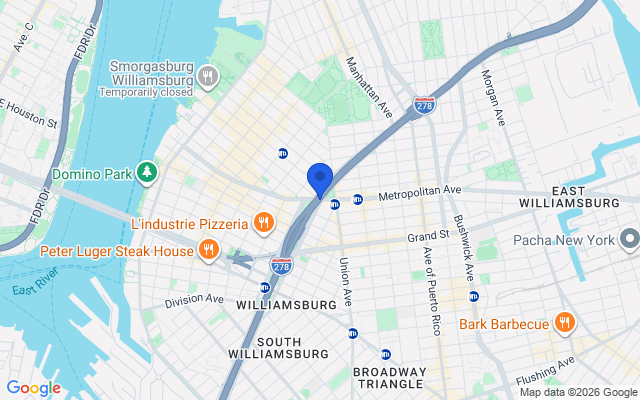
The typical home value in Williamsburg is around $2,170,000, up roughly 7.4% over the past year, with houses averaging about 58 days on the market.
The frame three family your grandfather bought in 1966 for eleven thousand dollars
The most common Williamsburg call is a frame house on the Southside or off Graham Avenue, bought in the 1960s, held through the years when nobody wanted it, and now worth a number the family cannot quite believe. Inside it is 1966: a kitchen on each floor, a cellar with a dirt floor, knob and tube behind the plaster, a flat roof with six layers, and a cousin on the top floor who pays what he can. Kings County Surrogate’s Court, four heirs, and three different ideas about what to do. Developers call every week with a letter. We buy it full and occupied, wait for the letters, and every heir sees the same one page number.
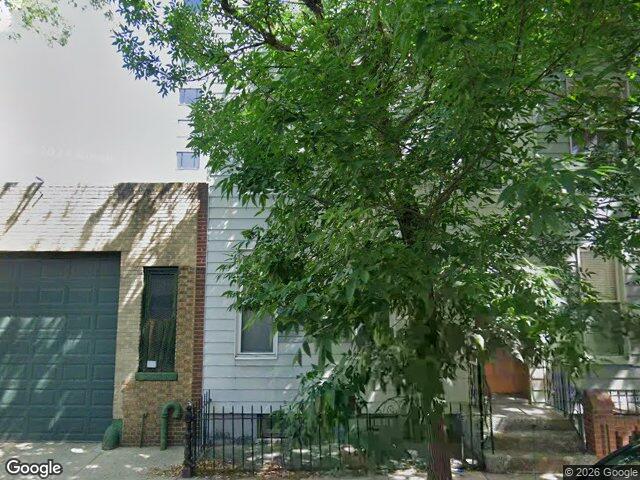
The six family with four stabilized tenants and an HPD file
A walkup on South 3rd Street or Hewes Street with six apartments, four of them rent stabilized at rents set in the 1990s, registrations that fell behind, and a Housing Preservation and Development file with violations going back a decade. A financed buyer needs the rent roll to carry a loan and it does not. We price the building on the rents as they are, the stabilization status, and the violations, and we buy it with the tenants in place and the file open.
The lot that is worth more than the house on it
On the Northside and along Bushwick Avenue, a 25 by 100 lot zoned R6 is worth more empty than with the 1890 frame house on it, and the developers know it. Their contracts come with due diligence periods, environmental testing, financing contingencies and a price that softens before closing. We price the lot the same way, on the zoning and the buildable square feet, and we close without a construction loan.
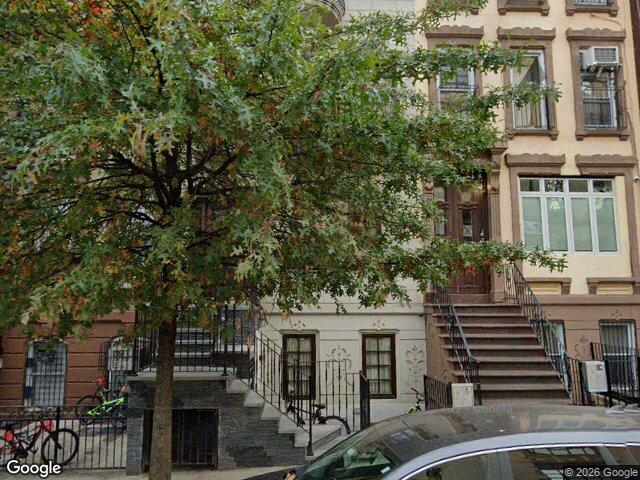
South Williamsburg and the house in the name of a yeshiva
Below Division Avenue, buildings change hands within the community and rarely go on the market. When one does, it is usually an estate with a complicated deed, a mortgage from a private lender, or a family that needs to settle quickly and quietly. We buy there with the same one page offer and the same closing, and the title company sorts the deed.
Where listing still wins in Williamsburg
A renovated brick row with legal units, a clean certificate of occupancy and no deadline should be listed, and we will say so, because Williamsburg buyers will bid against each other. Where a cash sale wins is the frame estate with four heirs, the six family whose rent roll will not carry a loan, the lot the developers keep sending letters about, the cellar with a tenant, the HPD file, or an owner who needs it settled by a date.
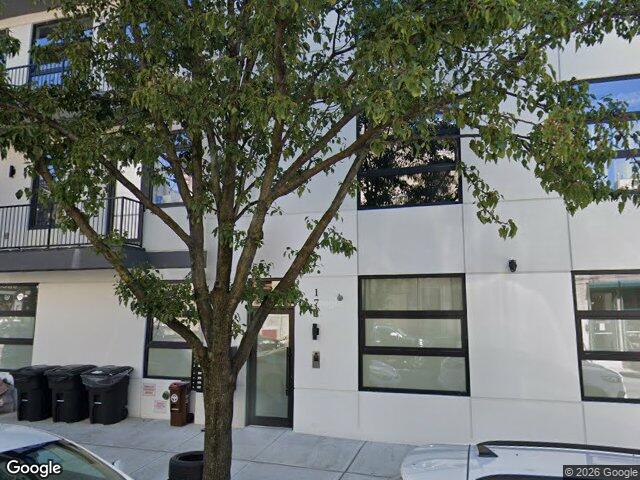
What we buy in Williamsburg
Frame and brick two to four families, six and eight family walkups, mixed use buildings on Grand Street, Graham Avenue, Broadway and Bedford Avenue, houses on buildable lots, buildings with stabilized tenants, estates in any condition, buildings in foreclosure, and vacant lots. We do not buy cooperative or condominium apartments. If you own something unusual, call anyway.
The Northside, the Southside, East Williamsburg and below Division
Williamsburg is four markets. The Northside between the river and the BQE is priced on the lot and what can be built on it, and almost nothing there sells for the house. The Southside between Grand Street and Broadway is frame three families and walkups priced on the units, the rents and the zoning. East Williamsburg, from Graham Avenue to Bushwick Avenue, is brick rows and frame houses priced on the block and the condition. South Williamsburg below Division Avenue trades inside the community at numbers the rest of the borough does not see. We build the offer from sales on your blocks, with the comparable addresses on the sheet, and we show you which market your building is in before we show you the number.
What the four share is age and subdivision. The frame houses are from the 1880s and the rows from 1900, most have been cut into more units than they were built for, and a building that was never renovated carries the same list: a flat roof with six layers, knob and tube behind the plaster, a cellar with a dirt floor and a water line, galvanized pipes, a service panel never sized for four kitchens, and a fire escape the Department of Buildings has written up. A lender’s inspector writes it all down. We read the same list and price it, and the building closes anyway.
Rent stabilization, registrations and the rent roll a lender will not finance
A six family built before 1974 is rent stabilized, and a building where the registrations with Homes and Community Renewal fell behind carries the risk of an overcharge claim on top of rents set in the 1990s. A lender underwrites the loan on the rent roll and a stabilized roll will not carry it. We underwrite the building on the rents as they are, the status of each unit and the registration history, and we buy it with the tenants in place and the file open. The tenants’ leases transfer unchanged.
Looking just beyond Williamsburg? You can also sell your house fast in Greenpoint NY or sell a house fast in Bushwick NY, and you can read about how we buy houses in Bed-Stuy NY.
Many Williamsburg homeowners also ask us how to sell a house with bad tenants, sell a house with code violations, or sell a house with a tax lien.
How a sale like this goes in Williamsburg
South 2nd Street, 1966: a Frame Three Family Bought for Eleven Thousand Dollars, Four Heirs, a Cousin on the Top Floor, Forty Developer Letters and a Daughter in Massapequa Who Kept Them in a Shoebox
Her father bought the frame three family on South 2nd Street in 1966 for eleven thousand dollars, when he worked at the Domino refinery. He put vinyl over the clapboard in 1984 and never touched the inside again. He died in 2018. Her mother died in the house in October 2024 at eighty nine. There were four heirs: the daughter in Massapequa, a brother in Orlando, a sister in Bayonne, and a brother in the house, on the top floor, who had been there since his divorce and paid what he could. The roof had six layers. The second floor was on knob and tube. The cellar had a dirt floor and a water line on the wall from 2012.
The daughter had a shoebox of letters from developers going back to 2015. In January 2025 she called three of them. Each sent a contract with ninety days of due diligence, a Phase I environmental test, a financing contingency, and a clause that let the buyer walk. One wanted the brother out before contract. The sister in Bayonne wanted to list. The brother in the house wanted to stay. Nobody agreed on anything except that the letters kept coming.
We looked at it in February with the daughter and the brother upstairs. The offer was written on the lot first, 25 by 100, R6, the buildable square feet, and then on the house: the roof, the wiring, the cellar, three kitchens from three decades, and sixty years of a family's belongings. The brother would stay six months after closing on terms the four of them set. One page, the same page to all four and to the estate attorney on Graham Avenue. No due diligence period.
The Orlando brother signed with a notary. The Bayonne sister signed in Hudson County. We closed in April at a title company on Metropolitan Avenue, after the Surrogate's letters issued. The brother moved in October. The daughter took the photographs and the refinery pay stubs from 1966. What she said was that she had spent ten years throwing the letters in a box because none of them ever said when.
Illustrative. Based on the situations we buy in across Williamsburg. A composite, not a single transaction, with details changed.
Common reasons Williamsburg sellers call us.
A frame three family on Powers Street your grandfather bought in 1966
Four heirs, a cousin on the top floor, a Surrogate's file, and a letter from a developer every week. We buy it full and occupied and every heir signs where they live.
A six family on Hewes Street with four stabilized tenants and registrations behind
A lender needs a rent roll that carries the loan. We price the building on the rents as they are and buy it with the tenants in place.
A 25 foot lot zoned R6 with an 1890 house on it
We price the buildable square feet the way a developer does and close without a construction loan or a ninety day due diligence period.
An HPD file with violations going back to 2014
The file comes with the building. We clear it ourselves after the deed records.
A cellar apartment the Department of Buildings vacated after a fire call
A vacate order ends a financed sale. We buy with it open, price the cellar as a cellar, and handle the order after closing.
A private lender's mortgage with a balloon that came due
A cash closing pays it before the lender files. The equity above the loan is yours.
A partition action between siblings who cannot agree
One written number, one closing date, proceeds split the way the court or the agreement says. The action is withdrawn when the deed records.
A move to Long Island with a mortgage commitment that expires
We set the Williamsburg closing around the new one, about two weeks out, and nothing waits on a bank.
Frequently asked questions about selling in Williamsburg.
How fast can you buy a Williamsburg building?
Send the address or call (516) 964-7222. We see the building, you get a written offer within 24 hours with the comparable sales on it, and you pick the date. About 14 days when the title is clean, two to four weeks with an estate, a partition or a lien.
Developers send letters every month. Why sell to you instead?
Because we close. A developer's contract usually carries ninety days of due diligence, environmental testing, a financing contingency and a price that drops before closing. We price the lot the same way they do, pay cash, and close on the date you set.
The building has rent stabilized tenants. Does that lower the offer?
It sets the offer. We price a six family on the rents actually in place and the stabilization status of each unit, not on what the rents might be someday. The tenants stay, their leases transfer, and nothing about the sale changes their rights.
There are four heirs and we do not agree. Can this still happen?
Yes. We send the same one page offer to every heir and to the estate attorney, and we wait for the Kings County Surrogate's letters. If the disagreement has become a partition action, the sale can settle it, with the proceeds split as the court or the agreement says.
The cellar has a tenant and the city vacated it last year. Will you buy?
Yes. We buy the building as its legal units, with the vacate order open, and price the cellar as a cellar. The order and whoever is affected by it are handled on terms worked out with you before closing.
Would listing get more?
For a renovated row with legal units and no deadline, usually yes, and we say so. Ours is the better route when the building is an estate with heirs who disagree, the rent roll will not carry a loan, the HPD file is long, the lot is what the buyers want, or you need it done by a date.
How do you price a frame house that needs everything?
First on the lot, the zoning and the buildable square feet, because in Williamsburg that is usually the larger number. Then on what is standing: the roof, the wiring, the cellar, the units. The sheet shows both and you see which one carries the offer.
What do I pay?
Nothing out of pocket. No commission, no fees, we pay our own closing costs. Your payoff, any liens or city balances, and the New York State and City transfer taxes come off the price, each listed before you sign.
We also buy in nearby Brooklyn neighborhoods.
Ready to sell your Williamsburg house?
Submit your address. We respond within 24 hours.
Get my cash offer