
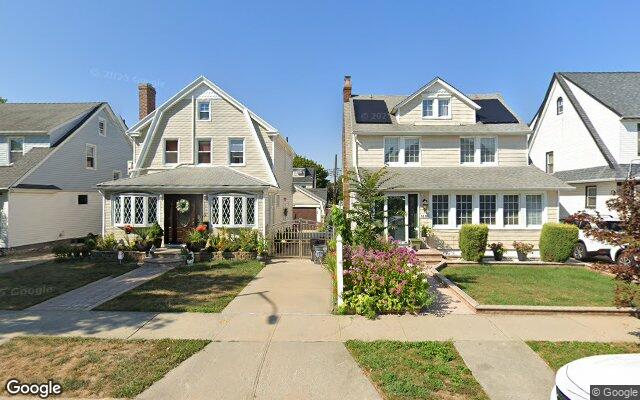
The house is usually the biggest asset in a New York divorce and the hardest one to split, because you cannot cut it in half. One of you keeps it and buys the other out, or it gets sold and the money gets divided. Both paths run through the same legal framework, and both go faster and cheaper when the two of you decide before a judge decides for you. Here is how the house is handled in a New York divorce, what your real options are, and how a sale fits when the goal is a clean break.
How New York treats the house
New York is an equitable distribution state. Property acquired during the marriage is marital property and gets divided fairly, which does not always mean equally. A house bought during the marriage is marital regardless of whose name is on the deed. A house one spouse owned before the wedding starts as separate property, but mortgage payments and improvements made with marital money during the marriage create a marital share in it. Inherited houses follow the same rule: separate at the start, partly marital if the marriage paid for them. If you are not sure which bucket your house is in, that question alone is worth an hour with a matrimonial attorney before anything else.
Your three real options
- One spouse keeps it and refinances. The staying spouse qualifies for a new mortgage alone, pays the other spouse their share of the equity, and the leaving spouse comes off the deed and the loan. This only works if one income can carry the house, and in the NY metro that is the exception, not the rule.
- Sell it and split the proceeds. The most common outcome. The mortgage, any liens, and closing costs come off the top, and the remaining equity is divided per the agreement or the judgment. Simple, final, and no one is stuck co owning with an ex.
- Defer the sale. Usually to keep children in their school through a certain date. It preserves stability at the cost of keeping both of you financially tied together, and it needs a written agreement covering who pays what in the meantime and exactly when the sale happens.
Timing: before, during, or after the judgment
You can sell before the divorce is final, and many couples do, because the equity is easier to divide as cash than as a house. It requires both spouses to sign, and if the case is contested the court may need to approve the sale or hold the proceeds in escrow until distribution is decided. Selling after the judgment is cleaner on paper but means carrying the house, and each other, through the entire case, which in New York can easily run a year or more. Most attorneys prefer the sale to happen during the case with proceeds held by counsel, so the money is sitting there when the judgment comes.
Why divorcing couples often sell as is
A traditional listing means agreeing on an agent, a price, repairs, staging, and showings, with two people who may not agree on anything, over a period of months. Every disagreement costs time and money in attorney hours. A direct cash sale collapses that into one decision: accept the written offer or not. No repairs to fund jointly, no showings, a closing date both sides can plan around, and one less thing to litigate. The trade off is a price below full retail, which is why we show the math line by line so both spouses and both attorneys can see what a listing would net after commissions, repairs, and carrying costs, and compare honestly. We walked through that comparison in our cash buyer versus realtor money math post.
Quick answers
Can my spouse block the sale? If both names are on the deed, both must sign. If one refuses without good reason, the court can order the sale, but that takes time. A fair written offer on the table often ends the standoff.
Who pays the mortgage while we are separated? Whatever your temporary agreement or order says. If nothing says, the person living there usually pays, but the arrears become part of the equity math at closing either way. Falling behind hurts both of you.
The house is only in my spouse’s name. Do I get anything? If it was bought during the marriage, yes. Title does not decide marital property in New York. If it was theirs before the marriage, you may still have a share of the growth in value paid for with marital money.
Do we owe capital gains on the sale? For most couples the primary residence exclusion, up to $500,000 of gain for a married couple filing jointly in the year of sale, covers it. Timing the sale relative to the divorce can change which exclusion applies, so ask your tax preparer before signing a contract.
Selling a house in a New York divorce?
We buy houses across Queens, Long Island, Westchester, and New Jersey from divorcing couples every month, and we are used to working with two attorneys, escrowed proceeds, and closing dates set by a court calendar. Every offer comes in writing with the full math, no obligation, and no pressure on either side. Start with our how it works page or reach out, and a member of our team will walk you both through it.
Sellers in similar spots also ask us how to sell an inherited home or sell a house during divorce.
We buy across Long Island, Queens, Brooklyn, Westchester and New Jersey, so you can sell your house fast in Great Neck Estates NY, sell a house fast in Kings Point NY, or read about how we buy houses in Lake Success NY.