
Selling a Fire-Damaged House in NY Metro?
We can help.
You do not want to rebuild. We buy fire-damaged homes as-is and can close in about 14 days.
- No repairs, no clean-up, no showings.
- Typical close in 14 days.
- We have handled this exact situation many times.
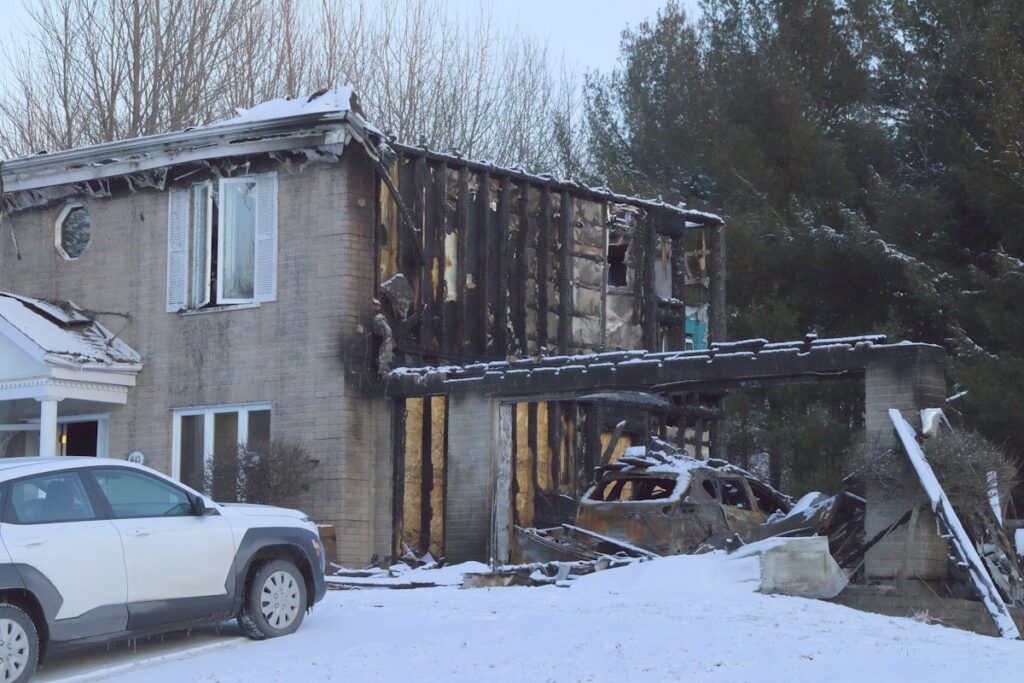
A house fire changes everything fast. One week you have a home; the next you have a condemned shell, a mortgage that still needs to be paid, and an insurance adjuster asking questions you are not sure how to answer. Most sellers in this situation do not want a rebuild project. They want to close a painful chapter and move forward. That is exactly what we do. For background, see this FEMA individual assistance program.
A house fire rearranges a family’s life in an hour, and the fire damage itself is only the first half of the story. The second half, the insurance claim, the town’s orders, the secured-but-ruined building, plays out over months, and it is the half where selling for cash most often becomes the sane path. Here is how the whole sequence really works.
What your mortgage lender will require before you can walk away
If there is a mortgage on the property, your lender has a direct financial interest in what happens next. Most lenders require that insurance proceeds be used either to repair the home or to pay off the loan balance. Some servicers will hold the insurance check in escrow and release funds only as contractors complete inspections. This can trap you in a rebuild you never wanted. When you sell to us, the mortgage gets paid off at closing from the sale proceeds, and any remaining insurance funds go to you. No contractor escrow. No drawn-out disbursement schedule.
Condemnation notices and what they mean for your timeline
Depending on how extensive the fire damage was, the local municipality may have already posted a condemnation or unsafe structure notice. In some parts of Long Island and New York City, those notices come with deadlines to either remediate or demolish. Missing those deadlines can result in the city performing the work and placing a lien on the property. We have bought condemned and red-tagged properties before. The notice does not stop a sale; it just needs to be factored into the pricing and paperwork. We handle that on our end.
When the insurance settlement is still pending
Some sellers contact us before the insurance claim closes. That is fine. We do not require the settlement to be final before we make an offer. We assess the property on its current as-is condition, structural damage included. If the insurance proceeds arrive after the sale closes, those belong to you (subject to the lender requirements described above). We can coordinate timing so that settlement and closing happen close together if that is cleaner for your situation.
The real cost of attempting a traditional listing
Listing a fire-damaged home on the open market is possible, but the practical obstacles pile up quickly. Banks will not finance a home without a functioning kitchen, working utilities, or a roof that passes inspection. That eliminates most buyers immediately. Cash investors who respond to MLS listings for fire damage typically offer low amounts and then renegotiate after inspection. Contractors hired to scope the rebuild give wide-ranging estimates. Meanwhile, you are paying the mortgage, property taxes, and insurance (if the carrier has not cancelled) on a house you cannot live in. Two or three months of that carrying cost adds up.
A seller in Hempstead who just wanted it done
A homeowner on Long Island contacted us after a kitchen fire that spread to two rooms. The insurance company had assigned an adjuster, but the settlement was still two weeks out. The homeowner had already moved in with family and had no intention of going through an eighteen-month rebuild. We visited the property within 24 hours of the call, made an offer the same day, and structured the closing to coincide with the insurance settlement date. Total time from first call to closing: about two weeks. The homeowner left with a check, the mortgage satisfied, and no further obligation to the property.
What we look at when we visit a fire-damaged property
We look at the structural framing, roof integrity, whether the fire reached load-bearing elements, and the extent of smoke and water damage (water from suppression often damages as much as the fire itself). We also check for any open code violations or municipality notices attached to the address. None of these things disqualify a property from purchase. They inform the offer. We buy single-family homes, two-to-four family properties, condos, and vacant land in this condition. We do not buy co-ops.
Closing on a realistic timeline
We can typically close a fire-damage purchase in around 14 days once paperwork is in order. The variables that can extend that are a slow title search (common if there are liens or the property passed through an estate), lender payoff processing time, and open municipality violations that require a sign-off. Our team has worked through all of these before. We tell you upfront if something is going to take longer and why, so you are not waiting on a moving target.
If you are done with the property and want a straightforward exit, call Nick York at (516) 964-7222 or email info@ezhomebuyers.com. We have been buying homes in the NY metro area since 2000 and we can give you a clear answer fast.
Neighborhoods we serve across the NY metro
This situation can come up anywhere we buy houses. The same process, terms, and timeline apply across our entire service area.
Queens: Bayside, Forest Hills, Douglaston, and Little Neck. Brooklyn: Park Slope. Long Island: Levittown, Great Neck, Great Neck Estates, Kings Point, Lake Success, and Manhasset. Westchester: Yonkers.
Related situations we handle
After the Fire: The Sequence Nobody Prepares You For
Once the trucks leave, the building becomes your urgent problem again. The town or city may issue an unsafe structure notice or vacate order within days, boarding and fencing are typically required to secure the site, and your insurance policy obligates you to protect the property from further damage, which in practice means tarps, board-ups, and sometimes emergency demolition you must arrange while displaced. Water and smoke, meanwhile, keep working: what the flames spared, the hoses soaked and the soot chemistry corrodes. A fire damaged house deteriorates fastest in its first unattended months, which is precisely when its owners are least equipped to attend to it.
The insurance claim is its own long campaign. The carrier’s adjuster scopes the loss and offers a number; the gap between actual cash value and replacement cost turns on policy language and on whether you actually rebuild; contents inventories demand you catalog everything you owned, burned; and depreciation, code-upgrade clauses, and living-expense limits each carry their own fine print. Many families engage a licensed public adjuster to fight the scope, for a percentage of the recovery, and in serious losses that often pays for itself. Claims on significant fires routinely run six months to a year, and the rebuild after them, another year beyond that.
Understand also what the house is worth in its damaged state, because it is rarely zero. The lot, the location, the utilities, the foundation, and whatever structure remains sound all carry value that we can price precisely, we renovate and rebuild fire houses as a business line. Owners hear “total loss” from an adjuster, who means it in policy terms, and conclude the property is worthless, then sit on a valuable lot for two years while taxes and site-liability insurance drain them. The words mean different things. Get both numbers.
Selling a Fire Damaged House Instead of Rebuilding It
You can sell at any point in the arc, and the claim does not have to be finished. The house sells as it stands, burned, boarded, or partially demoed, and the insurance claim for your loss remains yours to pursue; your attorney and the carrier settle the interplay, and we structure the contract around it. Families who never want to walk back into that building do not have to: our walkthroughs handle the documentation, remote signing handles the paperwork, and the site liability, the fence the town wants fixed, the curious teenagers, the winter weather, transfers to us at closing.
The rebuild-versus-sell decision deserves cold arithmetic while everything else is hot. Rebuilding means a year-plus of contractors, permits, and temporary housing, funded by a claim that pays in stages and argues every line, to end up owning the house where the fire happened. Selling means the written offer for the property as it stands, plus whatever the claim ultimately pays under its own terms, available now, with the family free to buy or rent somewhere the smoke never touched. Neither answer is universally right, but almost every family we meet has been given only the first one, as if it were mandatory. It is not.
If the fire was recent, three practical notes. Secure the site to the town’s satisfaction quickly, because violations on a fire building compound the misery. Notify your carrier promptly and photograph everything before any cleanup. And do not sign restoration contracts with the door-knockers who follow fire trucks, assignments of benefits and emergency-work contracts signed in the first shocked week have consumed entire claims. When the dust settles even slightly, get the written number for the property as it stands. It turns the worst month into a set of options, and options are what the fire took.
The Claim Playbook, and the Decisions That Follow
The first days set the tone for everything after. Get the fire report number before the trucks are cold, photograph everything from every angle before any cleanup, and notify your carrier immediately, late notice is a gift to the adjuster you will regret. Use your additional living expense coverage without guilt, it exists precisely for the hotel and the rentals, but track it, because ALE has limits and rebuilds outlast them. Begin the contents inventory while memory is fresh, room by room from photographs and bank statements; families who wait a month lose thousands of dollars of items they simply forget existed. And secure the structure to the municipality’s standard promptly, because an unsecured fire building collects violations, liability, and second fires with astonishing speed.
If your mortgage survives the fire, expect the bank in the middle of your claim: insurance checks on a mortgaged house are typically made out jointly, endorsed through the lender, and for larger losses disbursed in stages from an escrow as repairs progress. It is a paperwork marathon layered onto a construction project layered onto a displacement, and it is the point in the process where many families first ask whether rebuilding is actually mandatory. It is not. The mortgage gets paid from a sale like any other closing, the claim proceeds under its own policy terms, and the family’s energy goes to the next address instead of a two-year reconstruction of the last one.
For the total losses, where demolition is ordered or obviously coming, remember that a cleared or clearable lot in a Long Island or Queens neighborhood is a genuinely valuable asset, builders compete for infill lots, and we price the dirt, the utilities, the foundation if salvageable, and the location like the professionals who redevelop them. Families abandon real money walking away from “just a burned shell.” Get the number first. However far along your fire story is, first week or second year, the written offer costs nothing, coexists peacefully with your insurance claim, and converts the site of the worst day into fuel for the family’s next chapter.
The questions every fire family asks, answered plainly
Can we sell before the insurance claim settles? Yes, the house sells as it stands, the claim proceeds under the policy on its own track, and your attorney coordinates the interplay at closing. Do we keep paying the mortgage on a burned house? Yes, until closing or payoff the loan lives, which is itself an argument against long limbo, every month of deliberation is a payment on a house you cannot live in. Does selling affect the contents portion of our claim? The personal property claim is yours regardless, itemize it thoroughly and pursue it fully. What if the town wants demolition before we can even decide? Demolition orders transfer with the property, we buy pre-demo and post-demo alike, and the lot pricing covers both. And the question underneath all the others, is it wrong to not rebuild?, deserves the plainest answer on this page: no. The house served until it could not. Taking its value and building the family’s next chapter somewhere new is not giving up on a home. It is what homes are for.
If the fire was years ago and the house still sits
There is a quiet inventory of fire houses across Long Island and the boroughs that never made it to either resolution: the claim settled or stalled, the rebuild never started, and the boarded shell became the block’s landmark while taxes accrued and the town’s letters sharpened. Families freeze after fires for completely human reasons, grief, disagreement, a settlement that felt too small to act on, and the frozen years cost more than any of them chose on purpose. If that is your file, it is emphatically not too late. We buy old fire houses, weathered board-ups and all, price the intervening deterioration honestly, and close the chapter the fire opened however many years ago it was. The hardest call to make is the one that ends a long avoidance, and it is also the one our sellers most often describe as the moment things finally got lighter.
Budget honestly for what limbo itself costs while you deliberate, because a fire building spends money standing still. The fence and board-ups the town requires, the vacant-structure premium your insurer charges if coverage continues at all, the taxes that never paused, the mowing and securing the village will do for you and bill you for if you lapse, and the liability of an empty damaged structure that every neighborhood teenager knows about. Families who tally it are usually startled to find four figures a month leaking from a house nobody can live in, which reframes the decision usefully: whatever you ultimately choose, choosing it sooner is cheaper than choosing it later, every single month.
We also work around the reality that your family is displaced: walkthroughs schedule around temporary housing and work, documents travel to wherever you landed, and closings happen without anyone rearranging a life that the fire already rearranged enough. The transaction bends to the circumstances, because the circumstances have bent enough already, and stability for the kids and the routine you are rebuilding matters more than any appointment we could set.
We buy fire damaged houses across Nassau County, Suffolk, Queens, and Brooklyn, from smoke-touched kitchens to full structural losses, and the first conversation is always free, unhurried, and without obligation to a family that has been through enough.
Whatever brought you to this page, the chimney fire that stayed small or the night that took everything, the next step is the same modest size: one call, one honest conversation about the property and the claim, one written number that turns an open wound into a set of choices. Fires end. Files end slower. We exist to close the second kind.
If you are facing one of these, we can help with that too. Same cash offer, same as-is purchase, same fast closing.
Sellers in similar spots also ask us how to sell a house during divorce or sell a rental property as a tired landlord.
We buy across Long Island, Queens, Brooklyn, Westchester and New Jersey, so you can sell your house fast in Whitestone NY, sell a house fast in Briarwood NY, or read about how we buy houses in Bayside NY.
How it works
From first call to cash in hand.
- Day 11
Tell us about the house.
Address, condition, situation. 60 seconds on the form or one phone call. We do not need pictures, repairs, or a clean house.
- Day 2 to 32
We bring you a fair cash offer.
A quick walk-through (in person or virtual). We hand you a written offer with the math behind it. No pressure, take a few days to decide.
- Day 7 to 143
We close. You walk out with the check.
You pick the closing date. Title company handles the paperwork. Cash wires same day. Leave anything you do not want behind.
Compare your options · the real math
Don't compare list prices.
Compare what you actually take home.
Worked example on a $475,000 NY metro home that needs $25K–$50K of work. Same property, two paths. The headline price favors the realtor. The net check almost never does.
Sell to us · Cash, as-is
- Our cash offer$420,000
- Repairs you pay for$0
- Agent commissions$0
- Closing costs (we cover)$0
- Holding costs$0
List with a realtor
- Likely sale price$465,000
- Repairs to qualify for buyer financing−$50,000
- Agent commission (6%)−$27,900
- Closing costs you pay (1.5%)−$6,975
- 4 mo. holding (tax, util, ins.)−$8,000
Same property, two timelines
0 · 2 · 4 · 6 · 8 · 10 · 12 months
How do you decide what to offer?
We start with what your house could sell for after repairs (the after repair value). Then we subtract the cost of repairs, holding costs (taxes, insurance, utilities while we own it), closing costs on both sides of the deal, and a reasonable margin for our work. The remainder is your offer. We walk you through the math line by line so you can see exactly how we got there.
Are there any fees or commissions?
None. No agent commissions, no listing fees, no closing costs from your side. The number on the written offer is the number that hits your account at closing.
How fast can we actually close?
Typically 7 to 14 days from when we sign the contract. The bottleneck is the title company, not us. If you need longer to move out, you pick the date.
What if my house has tenants who won’t leave?
Tenants in place is fine. We buy occupied properties regularly and handle the tenant relationship from there.
Do you buy houses in foreclosure?
Yes, regularly. We can close before an auction date if there is enough time. The earlier you reach out, the more options we have.
What if I owe more on the mortgage than the offer?
This is an underwater situation. We can sometimes work with your lender on a short sale. Tell us up front so we can plan the right path.
Can I cancel after I sign the contract?
Yes. We offer a 3-day cancellation guarantee, no questions asked.
What types of properties do you buy?
Single family, 2 to 4 family, condos, vacant land, and mobile homes. We do not buy co-ops.
How is selling to you different from Opendoor or HomeVestors?
Opendoor uses an algorithm and won’t touch homes that need real work. HomeVestors is a national franchise, you’ll talk to whoever owns the local franchise this month. We are family owned and local, and our team handles every deal directly from first call to closing.
Will I have to clean out the house first?
No. Walk away with what you want, leave the rest. We handle clean-out, repairs, and disposal at our cost.
Do I need to make any repairs before selling?
No. We buy houses completely as-is, from light cosmetic wear to major structural problems. You never fix, paint, or update anything.
Which areas do you buy in?
We buy houses in Queens and all five NYC boroughs, on Long Island in Nassau and Suffolk, across Westchester, and in most of northern and central New Jersey. If you are not sure whether we cover your town, submit your address anyway. We probably do.
Ready when you are.
No pressure either way.
Submit your address. A team member will call within 24 hours, walk the property in person or by video, and put a written offer in your hand.