
Crown Heights, Brooklyn, NY
Sell your house fast in Crown Heights, Brooklyn.
We buy Crown Heights houses as is for cash. Limestone and brownstone rows, landmark district houses with violations, rooming houses, estates held since the 1960s, buildings with stabilized tenants, any condition.
$1,910,000
Typical Crown Heights home value
69 days
Avg market days
+6.6%
YoY change
Typical value from the Zillow Home Value Index for single family homes, September 2026. Days on market from Realtor.com. These are market figures, not an EZ Home Buyers offer.
About the area
Why Crown Heights sellers call us.
Crown Heights is the neighborhood on either side of Eastern Parkway between Prospect Heights and Brownsville, and it has some of the best rowhouse blocks in Brooklyn: four story limestones and brownstones from the 1890s and 1900s, whole streets of them, with enough intact that three landmark districts cover much of the north side. South of the parkway it is brick two families and small apartment buildings. Caribbean families bought the limestones in the 1960s and 1970s when the banks would not lend here. The Lubavitch community has anchored the blocks around Kingston Avenue since the 1940s. Both are selling now, and the question is almost always what to do with a four story house that has been three or four households for decades.
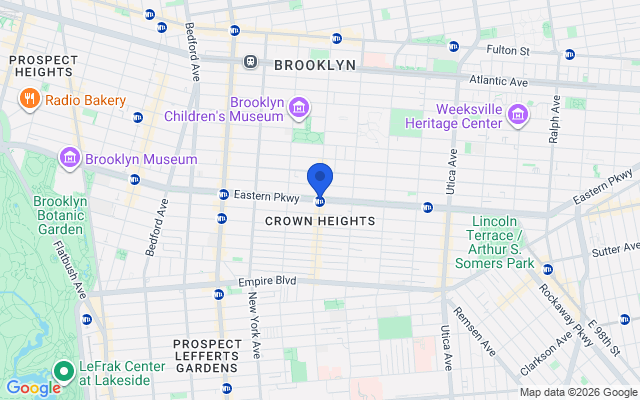
The typical home value in Crown Heights is around $1,910,000, up roughly 6.6% over the past year, with houses averaging about 69 days on the market.
The limestone that has been a rooming house since 1975
A great many Crown Heights limestones were legally two families and have been four or five households for fifty years, with a kitchen on every floor, a tenant in the cellar, and a certificate of occupancy that says otherwise. A financed buyer’s appraiser counts the legal units, the lender wants the rest documented or removed, the buyer’s attorney pulls the Department of Buildings file, and the deal ends in week four. We buy the house as its legal units, price the rest as what they are, and the tenants and the city’s file come with the house to us at closing.
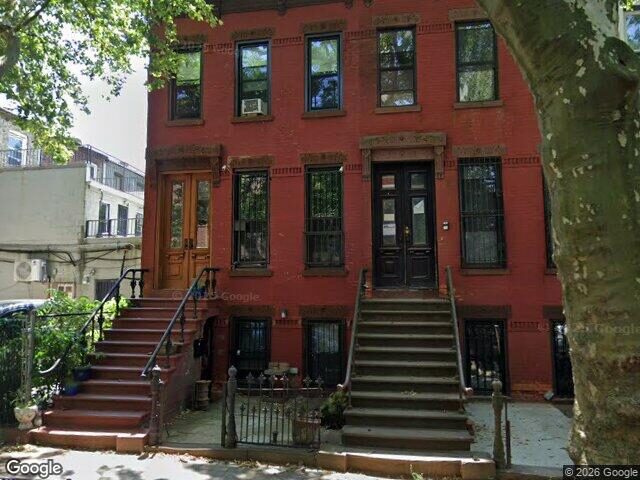
Landmark districts and the Landmarks file
In Crown Heights North, the Landmarks Preservation Commission has a say in the windows, the cornice, the stoop and the front door. A previous owner’s aluminum windows, a stoop that was rebuilt in concrete, or a cornice that was removed after a fire can mean a violation and a required restoration before a lender will close. We buy landmark rows with the violation open, take on the Landmarks file, and do the restoration after closing rather than asking you to do it first.
Estates, and the family that bought when the banks would not lend
The most common Crown Heights call is a house bought in 1968 or 1974 by parents from Trinidad, Jamaica or Barbados, often with a private mortgage because no bank would write one here. It is paid off, it has been home to three generations, and now it is a Kings County Surrogate’s Court file with heirs in Florida, Atlanta and back home. The house has the original plaster, a boiler from the 1980s, a roof that is due, and fifty years of belongings. We buy it as it stands, we wait for the letters, and the heirs sign from wherever they live.
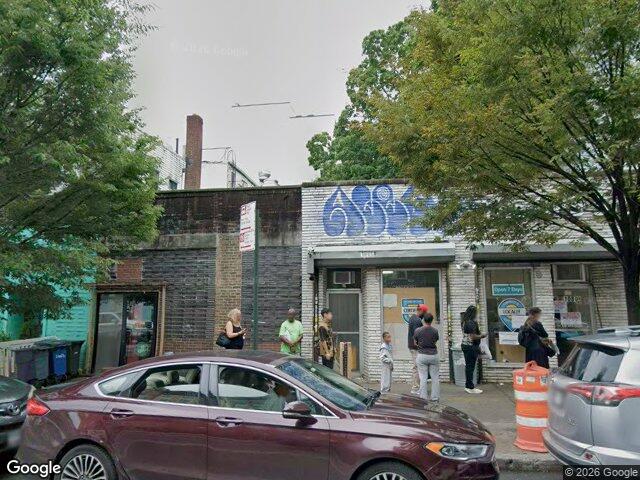
Stabilized tenants in a small building
The six and eight family buildings south of the parkway and along Nostrand and Kingston are rent stabilized, and the rents in many were set decades ago. A building where four of six tenants pay 2006 rents, with a boiler that is due and a Housing Preservation and Development file, does not underwrite for a lender. We buy stabilized buildings on the income they actually produce, the tenants stay with their leases, and the violations and the boiler become ours.
Where listing still wins in Crown Heights
A renovated limestone with legal units and market rate tenants on a landmark block should be listed, and we will say so. Crown Heights has buyers from Manhattan lined up for a house a lender will finance. Where a cash sale wins is the rooming house with the certificate of occupancy problem, the landmark row with the Landmarks violation, the estate with heirs in three countries, the stabilized building with the old rent roll, or the owner with a date that cannot move.
What we buy in Crown Heights
Limestone and brownstone rows, brick two and three families, six family and larger stabilized buildings, rooming houses and single room occupancy buildings, mixed use buildings on Nostrand, Kingston and Utica with a store below, landmark district houses with open violations, estates in any condition, houses in foreclosure, and vacant lots. We do not buy cooperative apartments. If you own something unusual, call anyway.
North of the parkway, south of it, and the Kingston Avenue blocks
Crown Heights is priced by Eastern Parkway. North of it, the limestone and brownstone rows in the landmark districts are priced like Bed-Stuy and Prospect Heights and sell to families and to investors who will restore them. South of it, the brick two families and small apartment buildings toward Empire Boulevard are priced on the rent. Around Kingston Avenue the market is its own, with buyers from within the community for houses near the synagogues and schools. We buy on all three and the offer is built from sales on your blocks, with the comparable addresses on the sheet.
What the three share is the age of the housing. The rows are from the 1890s and 1900s, and a house that has not been renovated has the same list no matter the block: original plaster, a service panel from the 1960s or earlier, galvanized water lines, a flat tar roof with layers on it, a cellar with the old coal bin, and a boiler that has been nursed. A lender reads that list as risk. We read it as math, price each line, and close anyway.
Water bills, violations, and the liens the city attaches
A Crown Heights brownstone that was cut into units decades ago usually carries a DEP balance, an HPD file with open violations, and an ECB fine for the sidewalk or the fire escape. The title company lists them on one page and a financed buyer’s lender wants the page empty. We buy with the page as it is, pay the city from the price at closing, and the files come to us with the deed.
Looking just beyond Crown Heights? You can also sell your house fast in Bed-Stuy NY or sell a house fast in Flatbush NY, and you can read about how we buy houses in Brownsville NY.
Many Crown Heights homeowners also ask us how to sell a house in probate in Crown Heights NY, sell a hoarder house, or sell a house in foreclosure.
How a sale like this goes in Crown Heights
An 1899 Limestone on a Landmark Block, Four Households and a Cellar Tenant Since 1976, Sold by a Daughter in Atlanta After the Appraiser Counted Two Units
Her parents came from Jamaica in 1965 and bought the limestone north of Eastern Parkway in 1971 with a loan from a man at church, because no bank would lend on the block. They lived on the parlor floor, rented the top two floors to relatives and then to tenants, and finished the cellar for a cousin in 1976. Her father died in 2010. Her mother stayed until 2024, when she moved to the daughter's house in Atlanta. The tenants on the second and third floors had been there since 1999 and 2004. The cousin's cellar apartment had a different tenant now.
The daughter listed it in the fall of 2024. The house was in the Crown Heights North historic district, and a previous repair had replaced the original stoop with concrete. The first buyer's appraiser counted two legal units and valued the house on that basis, and the lender's number did not reach the contract price. The second buyer's attorney pulled the Landmarks file, found a violation for the stoop, and asked for a restoration credit. The buyer also wanted the cellar emptied before closing. The listing expired in March 2025.
Nick York walked the house in April with the daughter, who flew up, and the second floor tenant, who had the keys. The offer was written on the house as it was: two legal units, four households, a cellar that would always be a cellar, a Landmarks violation for the stoop, a 1983 boiler, original plaster and wiring, and fifty three years of her parents' belongings on the parlor floor. The number was written out with the math on one page.
We closed in May at a title company in downtown Brooklyn. The church loan from 1971 had never been satisfied of record, and our title company cleared it. The tenants kept their apartments. The daughter took the photographs and her mother's sewing machine the weekend before. She said the thing that mattered was that nobody had asked her to put the tenants out.
Illustrative. Based on the situations we buy in across Crown Heights. A composite, not a single transaction, with details changed.
Common reasons Crown Heights sellers call us.
A limestone that has been four households since 1975
The certificate of occupancy says two. No lender counts the rest. We buy the house as its legal units and take the tenants and the city file as they are.
A Landmarks violation for the windows or the stoop
A previous owner's aluminum windows on a landmark block mean a required restoration before a lender will close. We buy with the violation open and restore it ourselves.
A parent's house bought in 1968 with a private mortgage
Heirs in Florida, Atlanta and Trinidad, a Kings County Surrogate's Court file, fifty years of belongings. We buy it as it stands and close with everyone signing remotely.
Stabilized tenants paying 2006 rents
No lender funds on that rent roll. We buy on the income the building actually produces, and the tenants stay with their leases.
A tenant who stopped paying
Brooklyn Housing Court takes most of a year. We buy occupied buildings with the case open, at the rent actually coming in, and the eviction becomes ours on closing day.
Original plaster, a 1980s boiler, and a roof that is due
A four story house from 1899 with its original everything. We price the whole list and buy the house as it stands.
A single room occupancy building with a Housing Court history
An SRO fits no lender. We buy on the income that exists, with the tenants and the file, and close in weeks.
A mortgage in default
Brooklyn foreclosures move slowly through Kings County Supreme Court, and that delay is the opening. A cash closing before the referee's sale pays the lender and keeps the remaining equity yours.
Frequently asked questions about selling in Crown Heights.
How do I sell my house fast in Crown Heights?
Call (516) 964-7222 or send the address. We walk every floor, write a number within 24 hours with the Crown Heights sales behind it, and close at a title company about 14 days after contract. Tenants in place do not slow it.
The house has more units than the certificate of occupancy allows. Will you still buy?
Yes. Most Crown Heights limestones do. We buy the house as its legal units, price the extra units as what they are, and the tenants and any Department of Buildings file come with the house to us at closing.
The house is in a landmark district and has a violation. Is that a problem?
Not for us. We buy landmark rows with Landmarks Preservation Commission violations open, take on the file, and do the restoration after closing. It is one of the most common reasons financed Crown Heights sales fall apart.
My tenants are rent stabilized. Does that change anything?
It changes what a lender will do, not what we do. Stabilized tenants stay with their leases and their legal rents, the building is priced on that income, and nobody is asked to leave.
Should I list my Crown Heights house instead?
Often, yes, and we will tell you. A renovated limestone with legal units and no deadline usually nets more listed. A cash sale wins when the units do not match the certificate of occupancy, there is a Landmarks or HPD file, the house is an estate with scattered heirs, a tenant is in court, or you need a closing by a date.
I inherited a house in Crown Heights and live in Florida. How does this work?
We coordinate with the Kings County Surrogate's Court paperwork and your estate attorney, a relative or a tenant lets us in for the walkthrough, and closing documents are signed remotely. The house stays as it is until the day we close, and you take what you want first.
The house was bought with a private mortgage and the paperwork is a mess. Can you still buy?
Yes. Many Crown Heights houses were bought in the 1960s and 1970s with seller financing or private loans, and the satisfactions were never recorded. Our title company clears it, the cost is itemized on the offer, and it does not stop the sale.
What does it cost me to sell to EZ Home Buyers?
You pay no commission and no fee. A Crown Heights sheet shows the payoff, any city balance and the transfer taxes, and we pay our own closing costs. The number below those lines is yours.
We also buy in nearby Brooklyn neighborhoods.
Ready to sell your Crown Heights house?
Submit your address. We respond within 24 hours.
Get my cash offer